
孔帕尼关于种族歧视的讨论
- 266
In this article, we will delve into the discussion of racial discrimination as presented by Kalidou Koulibaly. The article begins with a brief overview summarizing the key points of the discussion, followed by a detailed analysis from four different perspectives. These perspectives include the historical context of racial discrimination, the impact on individuals and society, the role of education in combating discrimination, and potential solutions for addressing racial inequality. Finally, the article concludes by summarizing the key insights from Koulibaly's discussion on racial discrimination.
1、Historical Context of Racial Discrimination
Historically, racial discrimination has been deeply ingrained in societies around the world. From colonialism to slavery, various forms of discrimination have oppressed minority groups and perpetuated inequality. Koulibaly's discussion sheds light on the roots of racial discrimination and the ongoing struggle for equality.
One key aspect highlighted by Koulibaly is the legacy of colonization and its impact on race relations. The systematic subjugation of indigenous populations and the exploitation of their resources have had lasting effects on the social and economic disparities that exist today. By understanding the historical context of racial discrimination, we can better comprehend the challenges faced by marginalized communities.
Furthermore, Koulibaly emphasizes the importance of acknowledging past injustices and working towards reconciliation. By recognizing the legacy of discrimination and actively seeking to address its consequences, societies can move towards a more inclusive and equitable future.
2、Impact on Individuals and Society
Racial discrimination not only affects individuals on a personal level but also has broader social implications. Koulibaly's discussion highlights the psychological, emotional, and economic toll of discrimination on marginalized communities.
For individuals, experiencing discrimination can lead to feelings of insecurity, self-doubt, and alienation. The constant microaggressions and overt acts of racism can erode one's sense of self-worth and belonging. Koulibaly emphasizes the importance of creating safe spaces where individuals can heal from the traumas of discrimination and find support in their communities.
Moreover, the societal impact of racial discrimination includes perpetuating cycles of poverty, limiting access to opportunities, and fostering social unrest. By excluding certain groups based on race, societies miss out on the diverse perspectives and talents that could contribute to collective progress. Koulibaly calls for systemic changes to dismantle the structures that uphold racial inequality and create a more just and inclusive society.
raybet地址3、Role of Education in Combating Discrimination
Education plays a crucial role in challenging stereotypes, dismantling prejudices, and promoting understanding across different racial groups. Koulibaly emphasizes the need for curriculum reforms that include diverse perspectives, histories, and experiences to counteract the biased narratives that perpetuate discrimination.
By teaching empathy, cultural awareness, and critical thinking skills, educators can empower future generations to become active agents of change in the fight against racial discrimination. Koulibaly advocates for inclusive educational practices that value diversity and foster respect for all individuals, regardless of their race or background.
Furthermore, Koulibaly underscores the importance of ongoing dialogue and community engagement in promoting racial harmony. By creating spaces for open conversations, sharing stories, and building connections, communities can bridge divides and work towards a more tolerant and accepting society.
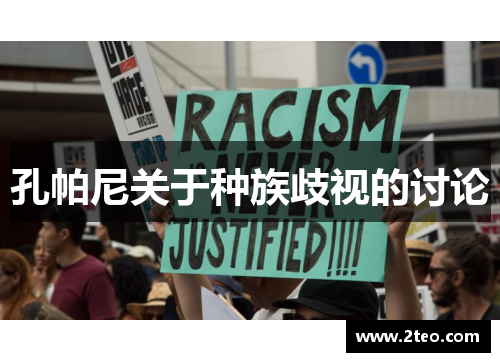
4、Potential Solutions for Addressing Racial Inequality
In his discussion, Koulibaly offers several potential solutions for addressing racial inequality and promoting social justice. These solutions include policy reforms, grassroots activism, allyship, and solidarity among marginalized communities.
One key solution proposed by Koulibaly is the implementation of anti-discrimination laws and regulations that hold individuals and institutions accountable for their discriminatory actions. By enacting legal protections and enforcing consequences for discriminatory behavior, societies can create a more inclusive and equitable environment for all individuals.
Additionally, Koulibaly encourages collective action and solidarity among marginalized groups to advocate for their rights and demand equal treatment. By standing together in the face of discrimination, communities can amplify their voices and effect meaningful change in the fight against racial inequality.
Ultimately, Koulibaly's discussion highlights the importance of recognizing the humanity and dignity of all individuals, regardless of their race. By promoting empathy, understanding, and respect, societies can move towards a future where racial discrimination is eradicated, and equality prevails.
In conclusion, Kalidou Koulibaly's discussion on racial discrimination provides valuable insights into the complexities of this pervasive issue. By examining the historical context, impact on individuals and society, role of education, and potential solutions for addressing racial inequality, we can better understand the challenges faced and work towards building a more inclusive and equitable world. Koulibaly's call for collective action, empathy, and solidarity serves as a powerful reminder of the need to challenge discrimination in all its forms and strive for a future where diversity is celebrated and equality is upheld.